
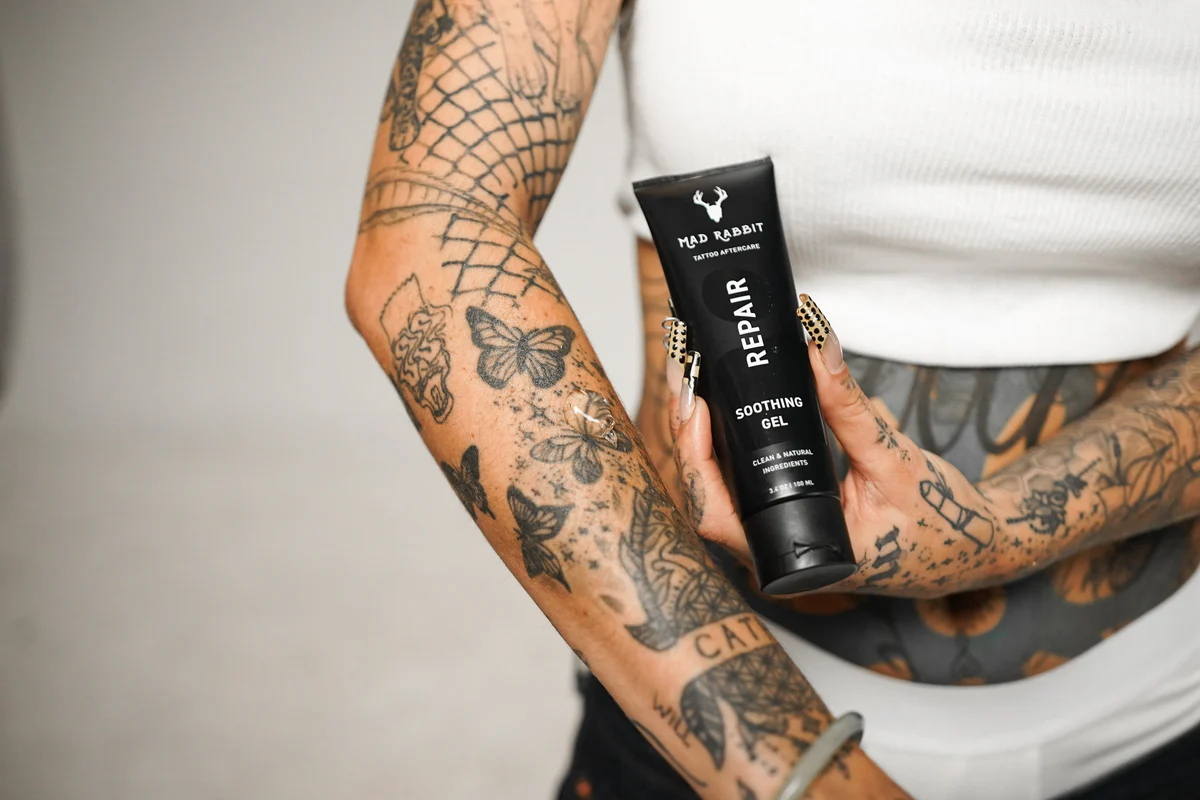
A fresh tattoo always feels exciting. You leave the studio with a new piece of art on your skin, but the final result depends not only on the artist’s work. It also depends on how you take care of the tattoo during the healing process. A good tattoo care routine helps protect the skin, reduce irritation, support cleaner healing, and preserve the quality of the design.
A tattoo is created by placing ink into the skin, which means your body needs time to recover. Even when the tattoo looks beautiful right after the session, the skin is still sensitive. The right aftercare routine can make a big difference in how comfortable the healing process feels and how sharp the tattoo looks once it is fully healed.
If you get tattooed at inkdecent.ca, your artist can explain the best aftercare approach for your tattoo style, placement, and skin type. However, there are also general steps that work well for most fresh tattoos.
Follow Your Artist’s Instructions First
The first and most important rule of tattoo care is to follow the instructions given by your tattoo artist. Different artists may use different types of bandages, second skin, or protective wraps. Some wraps are removed after a few hours, while others can stay on longer.
Do not guess or follow random advice from the internet if it conflicts with what your artist told you. Your artist knows how the tattoo was done, how much the skin was worked, and what type of aftercare is best for that specific piece.
If you are unsure about anything, ask before changing your routine. Clear instructions in the first few days can help prevent many common healing problems.
Keep the Tattoo Clean
Clean skin is one of the foundations of proper healing. Once it is time to remove the bandage, wash your hands first. Then gently clean the tattoo with lukewarm water and mild, fragrance-free soap. Do not use hot water, strong cleansers, alcohol, scrubs, or perfumed products.
Use your clean hands to wash the tattoo gently. Avoid sponges, washcloths, or anything rough. After washing, pat the area dry with a clean paper towel. Do not rub the tattoo, because rubbing can irritate the skin and disturb the healing surface.
During the first few days, you may need to clean the tattoo once or twice a day, depending on your artist’s advice and how your skin reacts. The goal is to keep the tattoo clean, not to overwash it. Too much washing can dry out the skin and slow the healing process.
Moisturize, But Do Not Overdo It
Moisturizing is another key part of tattoo care, but more product does not mean better healing. A fresh tattoo needs only a very thin layer of the recommended aftercare product or a fragrance-free moisturizer. The skin should feel lightly hydrated, not greasy or wet.
Using too much product can clog the skin, trap moisture, and make the tattoo feel sticky. This can slow healing and increase irritation. Apply only a small amount and let the skin breathe.
If the tattoo feels very dry, tight, or itchy, a light moisturizer can help. But do not apply product every time you feel a little discomfort. Some tightness, peeling, and itching are normal parts of healing.
Let the Tattoo Peel Naturally
After a few days, your tattoo may begin to peel. This is normal. The tattoo may look dull, flaky, or slightly uneven for a short period. It can be tempting to pick at the peeling skin, but this is one of the biggest mistakes people make during healing.
Never scratch, pick, or pull off flakes or scabs. Let them fall away naturally. Picking can remove ink, create patchy areas, and increase the risk of scarring. If the tattoo itches, gently apply a thin layer of moisturizer or lightly tap near the area with clean hands instead of scratching.
Good tattoo care means being patient. The tattoo may not look perfect during the peeling stage, but this temporary phase is part of the process.
Avoid Sun, Swimming, and Heavy Friction
While your tattoo is healing, protect it from direct sunlight. Fresh tattoos are very sensitive to UV rays, and sun exposure can irritate the skin and affect the final result. Once the tattoo is fully healed, sunscreen becomes important for long-term protection.
You should also avoid swimming pools, hot tubs, lakes, oceans, saunas, and long baths until the tattoo is fully healed. Soaking a fresh tattoo can soften the skin, increase irritation, and expose it to bacteria.
Clothing matters too. Wear loose, breathable fabrics that do not rub against the tattoo. Tight clothing can create friction, especially on areas like the ribs, thighs, shoulders, ankles, and arms. If your tattoo is in a high-movement area, be extra careful during the first week.
Be Careful With Exercise
Exercise is not always forbidden after getting a tattoo, but heavy sweating and friction can slow healing. If your workout causes the tattooed area to stretch, rub, or become sweaty, it is better to wait a few days or choose a lighter activity.
For example, if you have a fresh thigh tattoo, intense leg workouts may feel uncomfortable. If the tattoo is on your ribs or shoulder, certain movements may pull the skin. Listen to your body and avoid anything that makes the tattoo feel irritated.
A smart tattoo care routine includes rest. Your skin heals better when your body is not under unnecessary stress.
Watch for Warning Signs
Some redness, swelling, itching, peeling, and mild discomfort are normal. However, the tattoo should gradually improve. If the pain gets worse, redness spreads, the area feels very hot, or you notice pus, a bad smell, fever, or increasing swelling, contact a medical professional.
You can also contact your artist at inkdecent if you are unsure whether something is normal or if you need clarification about aftercare. It is always better to ask early than to ignore a possible problem.
Keep Caring After It Looks Healed
Many tattoos look mostly healed after two to four weeks, but deeper skin recovery can continue for longer. Even after the visible healing stage is over, your tattoo still benefits from regular skin care.
Keep the skin moisturized when needed, avoid unnecessary sun exposure, and use sunscreen on healed tattoos. This helps preserve the clarity, color, and contrast of the design over time.
Final Thoughts
The best tattoo aftercare routine is simple: keep the tattoo clean, moisturize lightly, avoid picking, protect it from sun and soaking, and follow your artist’s advice. Healing takes patience, but the effort is worth it.
Proper tattoo care helps your tattoo heal more comfortably and look better in the long run. A beautiful tattoo does not end with the session — it continues with the way you care for it at home.