
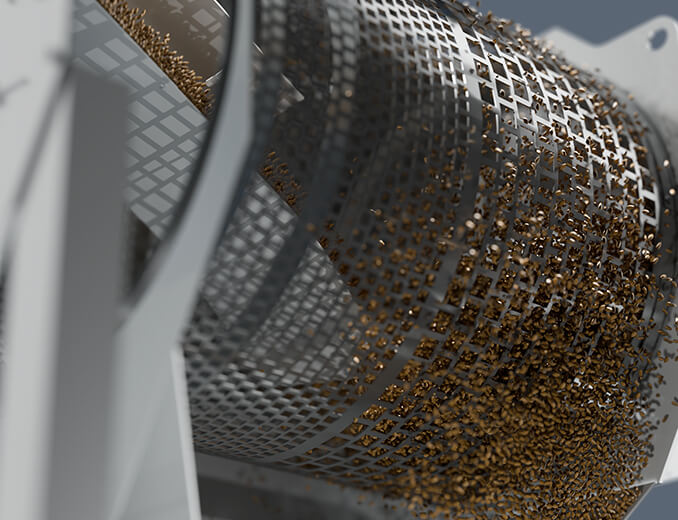
Moisture levels in raw materials play a central role in the operational efficiency of processing facilities. When grain enters the chamber with excessive water content, the mechanical systems face increased resistance, which alters the expected output quality. FAMSUN provides insights into how these physical variables impact equipment longevity and daily production targets, helping operators adjust their processes for more stable results.
Impact on Hammer Wear and Screen Integrity
High moisture content, specifically levels exceeding 14%, significantly shortens the lifespan of critical wear parts. When grains are damp, they tend to cushion the impact of the hammers, which forces the equipment to work harder to achieve the desired reduction. This process blunts the milling components prematurely, resulting in higher maintenance costs. Simultaneously, damp material is prone to sticking to the metal surfaces within the chamber. This accumulation blinds the screens, effectively reducing the open area available for the processed material to pass through. As a result, the throughput drops, and the internal temperature of the grinding chamber rises due to the added friction and load. In contrast, a dry grinding machine avoids these issues by processing material with controlled low moisture content, preserving hammer and screen life.
Pre-drying Fixes and Material Preparation
Managing grain moisture before it reaches the processing stage acts as a preventative measure for hardware issues. They often implement pre-drying systems to ensure that the grain enters the dry grinding process within an ideal range. By lowering the moisture content before material enters the hopper, the hammer contact remains efficient, and screen plugging is minimized. Different grains possess varying characteristics, so they adjust the drying duration and temperature based on the specific type of cereal or legume being processed. This preparation ensures that the equipment operates within its designed parameters, reducing the frequency of unscheduled downtime.
Operational Considerations for Consistent Output
Stability in output depends on the consistent application of these material preparation protocols in milling grinding. By monitoring moisture levels closely, operators protect their investment in machinery and ensure energy consumption remains predictable. FAMSUN assists in this process by offering equipment that is designed to handle varied moisture conditions effectively while providing guidance on necessary pre-processing steps. Integrating these practices allows facilities to achieve the desired particle size consistently, regardless of the initial state of the raw ingredients.