
The price of an intelligent charging solution can vary significantly from one project to another. A simple EV charger installation and a fully integrated solar, storage, and charging site have very different cost structures. For businesses planning photovoltaic solutions, understanding these cost drivers is essential for comparing quotations and estimating long-term returns. Instead of focusing only on charger hardware, buyers should evaluate power capacity, energy storage, solar integration, site conditions, software, and operational requirements.
What Determines the Price of Intelligent Charging Solutions?
There is no fixed price for intelligent charging solutions because project requirements vary. Costs may include charging equipment, photovoltaic systems, batteries, power conversion, electrical upgrades, communications, installation, and maintenance. Businesses should therefore compare total system costs rather than charger prices alone.
Charging Power Is a Major Cost Driver
Higher charging power generally requires stronger electrical infrastructure, including cabling, transformers, switchgear, and protection systems. Required capacity depends on vehicle numbers, traffic, charging time, and grid capacity. Oversizing raises costs, while insufficient capacity can create operational bottlenecks.
How Photovoltaic Integration Affects Project Cost
Adding photovoltaic generation increases upfront costs through solar modules, mounting, electrical equipment, and installation. Project economics depend on solar resources, system size, electricity demand, regulations, and renewable energy utilization.
When solar output exceeds charging demand, energy storage can store the surplus for later use, improving renewable energy utilization.
Energy Storage Can Increase Upfront Investment
Battery costs depend on capacity, power rating, thermal management, safety systems, and installation requirements. Storage can provide flexibility by storing electricity when conditions are favorable and supplying it during higher demand.
Buyers should evaluate storage based on its intended purpose, expected cycling, and lifecycle economics rather than simply choosing the largest system.
Site Infrastructure Can Change the Final Price
Site conditions are often overlooked during early price comparisons. The cost of installing intelligent charging solutions can increase when a location requires electrical upgrades, long cable runs, new transformers, structural work, or extensive construction.
Grid connection requirements are particularly important. If existing electrical infrastructure cannot support the planned charging capacity, additional equipment or utility-related work may be necessary.
Physical accessibility also matters. A straightforward commercial parking area may require less construction work than a complex industrial site. Therefore, two projects using similar charging equipment can still have substantially different total costs.
Software and Energy Management Add Value
Intelligent charging involves more than delivering electricity to an EV. Modern systems can coordinate renewable generation, energy storage, vehicle charging, and operational data.
This type of control can help businesses manage electricity flows according to changing conditions. For example, charging can be coordinated with available renewable generation or stored energy rather than treating the charger as an isolated electrical load.
For photovoltaic solutions, this coordination is especially important because solar output changes throughout the day. Intelligent management can help align generation, storage, and charging demand, potentially improving renewable energy utilization.
The Value of an Integrated Charging Architecture
An integrated system can have a higher initial investment than standalone charging equipment, but it may provide capabilities that individual devices cannot deliver independently.
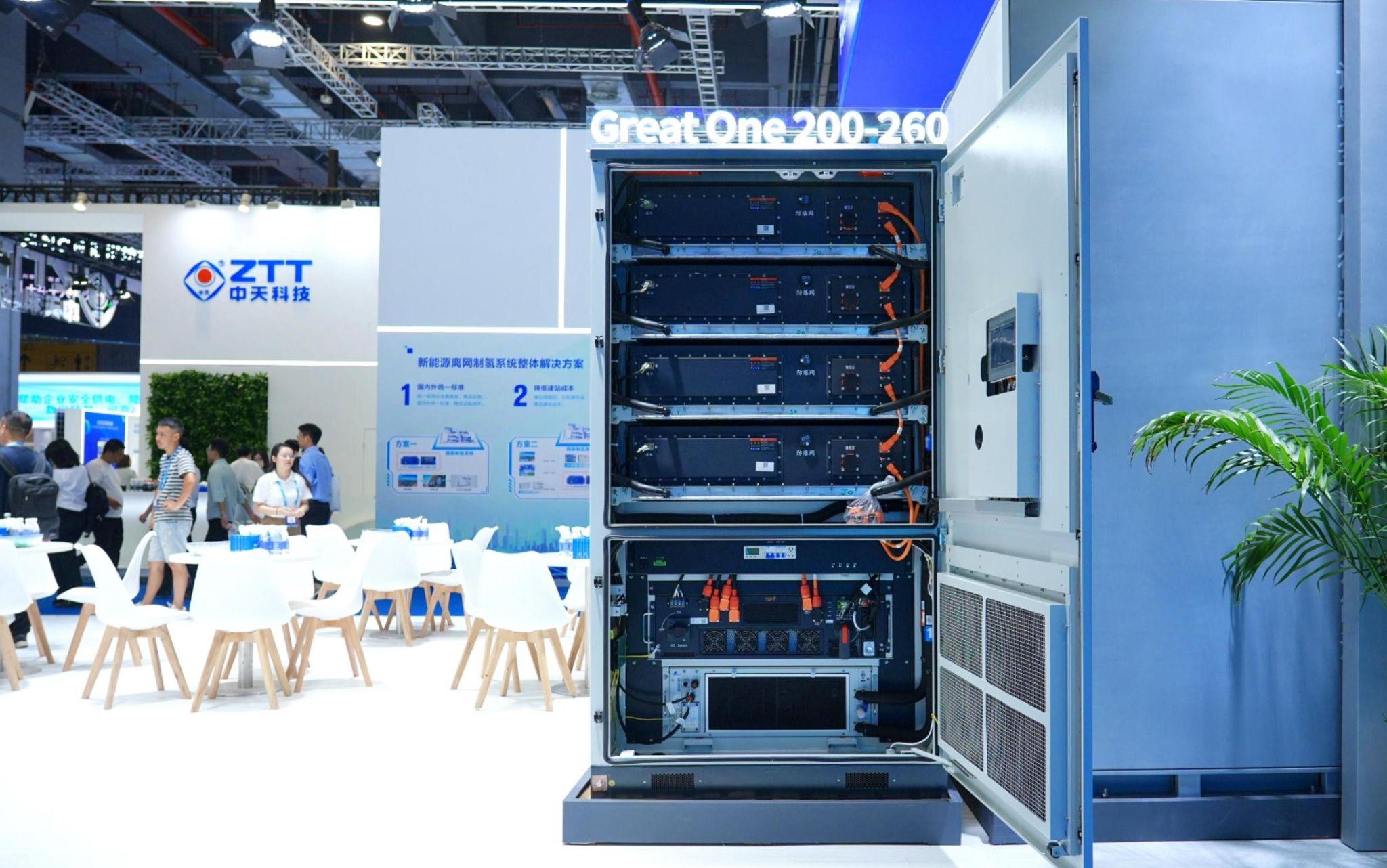
The intelligent PV solution offered by Great Power combines four functions: renewable energy access, energy storage management, fast EV charging, and EV inspection services. Great Power describes the solution as an integrated light-storage-charging-inspection system designed to improve green electricity utilization while supporting EV fast charging.
This architecture is relevant for commercial sites seeking to coordinate solar generation with charging demand. Instead of purchasing unrelated components and managing them separately, businesses can evaluate the charging station as part of a broader energy system.
Evaluating Total Cost of Ownership
Initial purchase price should not be the only metric when comparing intelligent charging solutions. Businesses should also examine electricity consumption, equipment efficiency, maintenance requirements, battery replacement considerations, software services, and expected utilization.
A system with stronger integration capabilities may offer greater value when the site has substantial solar generation and charging demand. Conversely, a simpler charging installation may be more appropriate where renewable generation and energy storage are unnecessary.
The right choice therefore depends on the site’s operating model. Commercial users should calculate expected charging demand, solar generation, storage utilization, electricity costs, and potential revenue before making a purchasing decision.
Why System Integration Matters for Photovoltaic Solutions?
As commercial EV charging develops, the relationship between generation, storage, and charging becomes increasingly important. The broader energy storage portfolio from Great Power includes cells, packs, racks, cabinets, and containers for applications ranging from residential to commercial and industrial and utility-scale projects.
Its intelligent PV business extends this system approach into charging infrastructure. The charging solution has already been deployed in multiple reference projects, including fast-charging stations in China.
For project developers and commercial operators, this integrated approach can simplify the evaluation of photovoltaic generation, energy storage, and EV charging as interconnected assets.
Conclusion
The price of intelligent charging solutions is shaped by much more than the charger itself. Charging capacity, photovoltaic generation, battery storage, grid infrastructure, site conditions, software, and maintenance can all influence total project investment.
For businesses developing photovoltaic solutions, the most useful approach is to compare total lifecycle value rather than simply selecting the lowest quotation. By matching charging capacity and energy resources with actual operating requirements, companies can build a system that balances upfront investment, energy management, operational flexibility, and long-term value.