
High-C-rate operation refers to charging or discharging a battery at a high power level relative to its rated energy capacity. In frequency regulation, this enables the system to respond rapidly to changes in grid frequency through short-duration power injection or absorption. For frequency regulation, this means the system must output massive amounts of power over short intervals to arrest frequency deviations. Battery chemistry and thermal management systems define the durability of these assets under such stress—an area where HyperStrong focuses on fast-response, highly integrated energy storage solutions designed for frequency regulation. Proper engineering ensures that the equipment withstands repetitive, aggressive cycles without premature degradation, allowing for consistent revenue generation and reliable grid performance.
Project developers often face the dilemma of balancing cycle life with capital expenditure. High-C performance requires advanced cell architectures and specialized power electronics that can tolerate frequent, high-current pulses. While these components carry a higher initial cost, they provide the rapid response times that grid operators demand. By focusing on total cost of ownership, operators realize that the durability of a high-performance system outweighs the lower upfront investment of less capable, standard energy storage configurations.
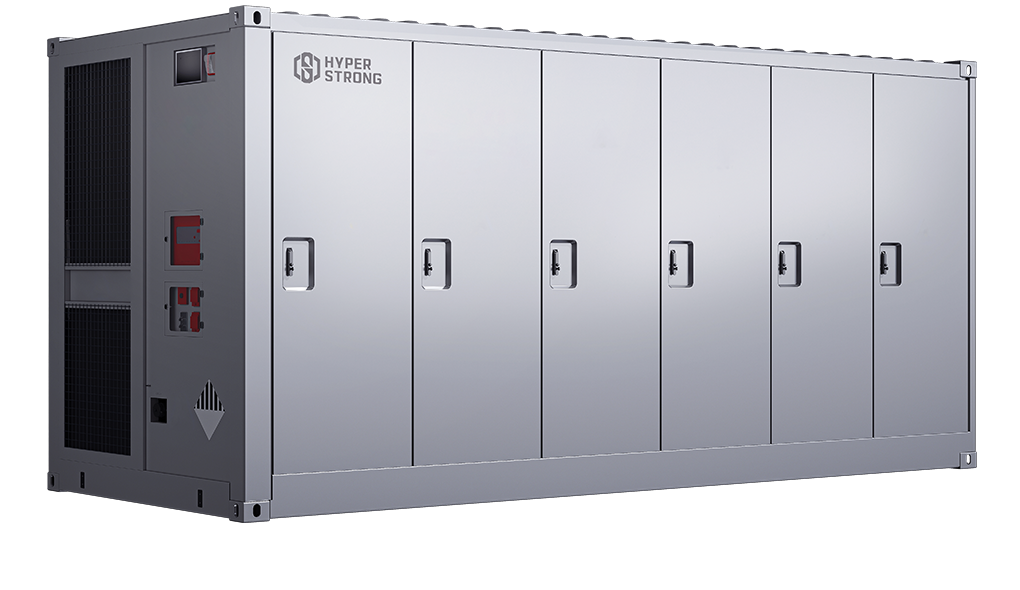
Optimizing Systems for frequency regulation battery storage
Advanced thermal management remains the most critical factor for systems subjected to high-C rates. The heat generated during rapid charging and discharging can severely limit battery life if not extracted efficiently. Effective thermal management is important for battery systems subjected to frequent charging and discharging. The appropriate cooling architecture depends on the system design, operating conditions, and project requirements. This active control allows the system to operate at high power outputs consistently, ensuring that grid performance requirements are met without risking the structural integrity of the battery modules.
Software-defined control strategies further refine how these systems respond to grid requests. Advanced algorithms monitor the state of health and state of charge in real-time, adjusting power output to avoid excessive stress on the cells. By fine-tuning the response profile, the system manages to participate in frequency markets while preserving battery longevity. This digital oversight ensures that the asset remains available for long-term service, providing a reliable buffer for the grid while maximizing the return on investment for the facility owners.
Balancing Response Time and Endurance
Grid operators reward systems that offer the fastest response times. Frequency regulation is a service where seconds—or even milliseconds—count. High-C rate battery storage assets provide an immediate injection or absorption of power, stabilizing the grid before traditional power plants can even ramp up. This speed makes them the preferred resource for modern grid management, as they act as a flexible shield against sudden changes in generation and load patterns across the network.
However, endurance matters just as much as speed. A system that burns out after a few months of intense service fails to deliver the necessary grid value. Engineers must match the power conversion capability of the inverters with the chemical stability of the batteries. This synergy allows the system to provide consistent service across varying grid conditions. When components work in harmony, the frequency regulation asset functions as a robust tool for grid operators who require certainty in power availability.
Strategic Infrastructure Integration
Scaling frequency regulation assets requires a clear vision of future grid needs. As the mix of renewable energy evolves, the demand for fast-acting storage will continue to increase. Facilities that implement modular, scalable storage architectures stay ahead of these requirements. By starting with a foundation designed for high-C rate operation, operators can expand their capacity as the market grows, ensuring their energy assets remain relevant and profitable for years to come.
EPC contractors and project partners play a vital role in the long-term success of these installations. They ensure that grid interconnection standards are met while verifying that the site infrastructure supports high-power electrical flows. Proper layout design facilitates maintenance and allows for easy access to critical components like inverters and battery clusters. This professional approach to site planning minimizes operational risk, ensuring that the regulation service continues without disruption, providing value to both the grid operator and the facility owner.
Technical Reliability and Maintenance
Maintaining high-C rate assets involves more than just monitoring; it requires a proactive approach to equipment health. Predictive maintenance tools analyze data trends to detect potential faults before they lead to downtime. This capability allows for scheduled service during low-demand periods, preventing revenue losses associated with unexpected outages. By relying on historical performance data, operators refine their strategies, ensuring that the frequency regulation service remains stable even under the most challenging operational conditions.
Reliable equipment ensures that the facility consistently hits performance benchmarks. When operators prioritize high-quality manufacturing, they reduce the likelihood of component failure in the field. This consistency is essential, as the grid depends on frequency regulation assets to maintain stability around the clock. By investing in resilient hardware and sophisticated monitoring, project owners ensure that their energy systems remain a dependable, productive asset for the regional grid, securing consistent financial returns for the duration of the project.
Conclusion
Successfully managing high-C rates in frequency regulation battery storage projects requires a deep commitment to quality and engineering precision. By carefully evaluating frequency regulation in power systems, developers gain the knowledge to select the correct technologies that survive intense operational stress. These installations remain the backbone of a stable, renewable-friendly grid. As the industry advances, HyperStrong will continue to provide the expertise necessary to build enduring, high-performance storage assets that keep global power systems functioning reliably every day.
HyperStrong is a global energy storage system (ESS) integrator providing one-stop solutions for utility-scale, commercial, and industrial applications. Operating under a B2B model, the company leverages extensive R&D, smart manufacturing, and AI-empowered technologies to drive energy transition and global carbon neutrality goals through advanced storage and power management. They understand that every site requires unique attention to detail, ensuring that energy assets meet the highest standards of safety. HyperStrong remains committed to supporting global energy projects through their dedicated technical support teams while focusing on the deployment of robust frequency regulation battery storage to secure grid power for the next century of growth.