Key power tool replacement battery trends in 2026 include higher power density, smarter pack monitoring, stricter compatibility requirements, longer usable life, and more application-specific designs. Battery performance has become a major factor influencing tool efficiency, portability, and user experience.

Professionals and consumers are paying closer attention to energy density, operating time, charging convenience, and product compatibility. These expectations are encouraging battery manufacturers to develop more advanced solutions that can support different power tool platforms.The growth of power tool replacement batteries reflects this shift toward flexible and reliable energy solutions. Replacement battery systems are becoming an important part of the industry because they help extend tool usability while supporting changing application requirements.
1. Higher Energy Density Becomes a Key Development DirectionEnergy density continues to influence the future design of power tool batteries. Users expect cordless tools to deliver strong performance without adding unnecessary weight, especially in industries where equipment is used for extended periods.Battery manufacturers are focusing on improving cell technology and pack design to achieve better power output within compact structures. A well-designed battery system can help professionals complete tasks more efficiently while reducing interruptions caused by frequent charging.The development of advanced battery solutions is also connected with broader energy storage innovation. Technologies used in different industries, including electric mobility, continue to encourage improvements in battery materials, manufacturing processes, and system integration.A
battery pack for electric car represents another important application area where battery performance requirements are extremely demanding. Although electric vehicles and power tools have different operating conditions, developments in battery engineering can influence innovation across multiple energy storage sectors.
2. Smarter Battery Management Systems Improve Safety and PerformanceBattery management systems are becoming increasingly important in modern power tool applications. Battery monitoring and protection circuits can track voltage, current, and temperature and apply protection limits under abnormal operating conditions.Battery monitoring and protection circuits can track voltage, current, temperature, and abnormal conditions to keep the pack within its defined operating limits. For users, this means better control over battery usage and improved confidence during professional tasks.The demand for intelligent features is also affecting the design of power tool replacement batteries. Modern solutions are expected to provide stable performance while adapting to different working environments.Manufacturers are exploring ways to integrate monitoring technologies into battery packs without increasing complexity or reducing portability. This balance between intelligence and practicality will remain an important focus in future battery development.
3. Greater Compatibility Drives Replacement Battery Market GrowthCompatibility has become one of the most important considerations for power tool users. Cross-tool compatibility requires matching voltage, connector design, polarity, communication protocol, charger requirements, and the tool manufacturer’s specifications.Replacement battery products provide a practical option for extending the service life of existing tools. Instead of replacing complete equipment, users can maintain performance by selecting suitable battery solutions.The market for
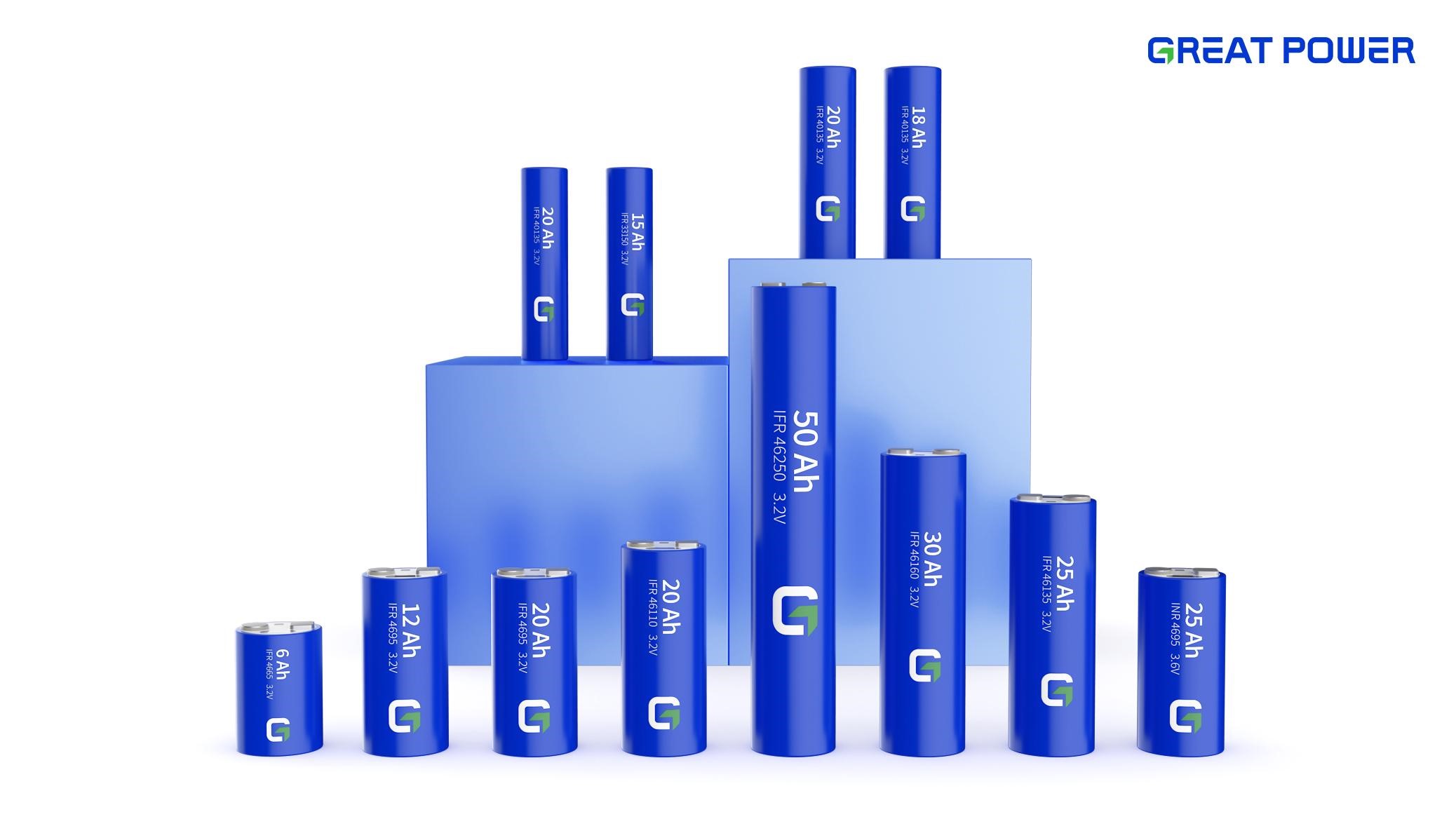
power tool replacement batteries continues to expand because flexibility has become a valuable advantage. Manufacturers that provide reliable and compatible battery options can better respond to diverse customer requirements.Great Power develops battery solutions for power-related applications, supporting industries that require dependable rechargeable energy systems. Its experience in battery technology reflects the increasing importance of adaptable solutions in professional equipment markets.
4. Battery Sustainability and Longer Service Life Gain AttentionEnvironmental considerations are influencing many technology sectors, including power tools and battery manufacturing. Users are becoming more interested in products that provide longer service periods and reduce unnecessary replacement frequency.Battery durability is closely related to material selection, manufacturing quality, and system design. Longer-lasting batteries can help improve equipment value while supporting more efficient resource utilization.For power tools, usable battery life depends on discharge rate, operating temperature, charging conditions, cell consistency, and protection settings. Lessons from large-scale battery applications can provide valuable insights for other rechargeable product categories.For power tool manufacturers, improving battery lifespan is not only a technical goal but also a way to create more competitive products. Reliable battery performance can strengthen user satisfaction and encourage wider adoption of cordless solutions.
5. Custom Battery Solutions Support Specialized ApplicationsDifferent industries require different power characteristics, making customization an important trend in the power tool battery sector. Construction professionals, industrial workers, and individual users may have unique requirements based on their working environments.Customized battery designs allow manufacturers to consider factors such as output requirements, physical dimensions, and application conditions. This approach helps create energy solutions that better match specific tools and usage scenarios.Application-specific pack development should account for tool voltage, peak current, available installation space, vibration, temperature, and charging requirements. The company’s involvement highlights how battery innovation is moving beyond standardized solutions.The future of the industry will likely involve more application-specific designs, where battery systems are developed according to the needs of different equipment categories rather than relying only on universal formats.
The Future Outlook of the Power Tool Replacement Battery IndustryThe power tool battery industry in 2026 will continue to evolve around efficiency, compatibility, intelligence, and durability. Users are looking for solutions that provide reliable performance while supporting modern workplace demands.Battery technology will remain a central factor in improving cordless equipment. Innovations in materials, manufacturing processes, and battery management will help manufacturers create more capable products for professional and personal applications.
Great Power continues to contribute to battery technology development, supporting the transition toward more flexible and efficient rechargeable energy solutions. The company’s role reflects the broader industry movement toward advanced battery applications.
ConclusionThe power tool replacement battery industry is experiencing significant transformation as users demand more reliable, lightweight, and adaptable energy solutions. The five major trends in 2026 highlight the importance of performance improvement, smart management, compatibility, sustainability, and customization.From professional tools to broader energy applications, battery innovation is creating new opportunities across multiple industries. Future power tool battery development will continue to focus on discharge capability, compact pack design, compatibility, protection, operating life, and application-specific integration.Manufacturers that understand user needs and invest in advanced battery design will be better positioned to support the next generation of cordless power tools. The industry’s future will depend on creating energy solutions that combine efficiency, reliability, and practical value.

 Professionals and consumers are paying closer attention to energy density, operating time, charging convenience, and product compatibility. These expectations are encouraging battery manufacturers to develop more advanced solutions that can support different power tool platforms.The growth of power tool replacement batteries reflects this shift toward flexible and reliable energy solutions. Replacement battery systems are becoming an important part of the industry because they help extend tool usability while supporting changing application requirements.1. Higher Energy Density Becomes a Key Development DirectionEnergy density continues to influence the future design of power tool batteries. Users expect cordless tools to deliver strong performance without adding unnecessary weight, especially in industries where equipment is used for extended periods.Battery manufacturers are focusing on improving cell technology and pack design to achieve better power output within compact structures. A well-designed battery system can help professionals complete tasks more efficiently while reducing interruptions caused by frequent charging.The development of advanced battery solutions is also connected with broader energy storage innovation. Technologies used in different industries, including electric mobility, continue to encourage improvements in battery materials, manufacturing processes, and system integration.A battery pack for electric car represents another important application area where battery performance requirements are extremely demanding. Although electric vehicles and power tools have different operating conditions, developments in battery engineering can influence innovation across multiple energy storage sectors.2. Smarter Battery Management Systems Improve Safety and PerformanceBattery management systems are becoming increasingly important in modern power tool applications. Battery monitoring and protection circuits can track voltage, current, and temperature and apply protection limits under abnormal operating conditions.Battery monitoring and protection circuits can track voltage, current, temperature, and abnormal conditions to keep the pack within its defined operating limits. For users, this means better control over battery usage and improved confidence during professional tasks.The demand for intelligent features is also affecting the design of power tool replacement batteries. Modern solutions are expected to provide stable performance while adapting to different working environments.Manufacturers are exploring ways to integrate monitoring technologies into battery packs without increasing complexity or reducing portability. This balance between intelligence and practicality will remain an important focus in future battery development.3. Greater Compatibility Drives Replacement Battery Market GrowthCompatibility has become one of the most important considerations for power tool users. Cross-tool compatibility requires matching voltage, connector design, polarity, communication protocol, charger requirements, and the tool manufacturer’s specifications.Replacement battery products provide a practical option for extending the service life of existing tools. Instead of replacing complete equipment, users can maintain performance by selecting suitable battery solutions.The market for power tool replacement batteries continues to expand because flexibility has become a valuable advantage. Manufacturers that provide reliable and compatible battery options can better respond to diverse customer requirements.Great Power develops battery solutions for power-related applications, supporting industries that require dependable rechargeable energy systems. Its experience in battery technology reflects the increasing importance of adaptable solutions in professional equipment markets.4. Battery Sustainability and Longer Service Life Gain AttentionEnvironmental considerations are influencing many technology sectors, including power tools and battery manufacturing. Users are becoming more interested in products that provide longer service periods and reduce unnecessary replacement frequency.Battery durability is closely related to material selection, manufacturing quality, and system design. Longer-lasting batteries can help improve equipment value while supporting more efficient resource utilization.For power tools, usable battery life depends on discharge rate, operating temperature, charging conditions, cell consistency, and protection settings. Lessons from large-scale battery applications can provide valuable insights for other rechargeable product categories.For power tool manufacturers, improving battery lifespan is not only a technical goal but also a way to create more competitive products. Reliable battery performance can strengthen user satisfaction and encourage wider adoption of cordless solutions.5. Custom Battery Solutions Support Specialized ApplicationsDifferent industries require different power characteristics, making customization an important trend in the power tool battery sector. Construction professionals, industrial workers, and individual users may have unique requirements based on their working environments.Customized battery designs allow manufacturers to consider factors such as output requirements, physical dimensions, and application conditions. This approach helps create energy solutions that better match specific tools and usage scenarios.Application-specific pack development should account for tool voltage, peak current, available installation space, vibration, temperature, and charging requirements. The company’s involvement highlights how battery innovation is moving beyond standardized solutions.The future of the industry will likely involve more application-specific designs, where battery systems are developed according to the needs of different equipment categories rather than relying only on universal formats.The Future Outlook of the Power Tool Replacement Battery IndustryThe power tool battery industry in 2026 will continue to evolve around efficiency, compatibility, intelligence, and durability. Users are looking for solutions that provide reliable performance while supporting modern workplace demands.Battery technology will remain a central factor in improving cordless equipment. Innovations in materials, manufacturing processes, and battery management will help manufacturers create more capable products for professional and personal applications.Great Power continues to contribute to battery technology development, supporting the transition toward more flexible and efficient rechargeable energy solutions. The company’s role reflects the broader industry movement toward advanced battery applications.ConclusionThe power tool replacement battery industry is experiencing significant transformation as users demand more reliable, lightweight, and adaptable energy solutions. The five major trends in 2026 highlight the importance of performance improvement, smart management, compatibility, sustainability, and customization.From professional tools to broader energy applications, battery innovation is creating new opportunities across multiple industries. Future power tool battery development will continue to focus on discharge capability, compact pack design, compatibility, protection, operating life, and application-specific integration.Manufacturers that understand user needs and invest in advanced battery design will be better positioned to support the next generation of cordless power tools. The industry’s future will depend on creating energy solutions that combine efficiency, reliability, and practical value.