
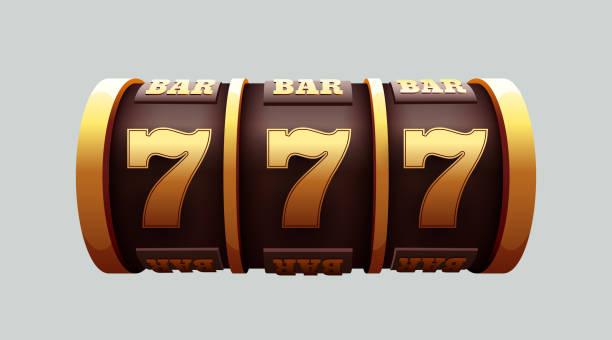
Slot machines have undergone one of the most dramatic technological transformations in entertainment. What began as a mechanical device with spinning reels, a lever, and a handful of symbols has developed into a sophisticated digital experience combining animation, sound design, probability systems, responsive interfaces, and interactive features.
Yet the fundamental concept remains familiar: players initiate a game cycle and wait for an uncertain result. Technology has not replaced this simple structure. Instead, it has changed how the experience looks, sounds, responds, and unfolds.
From Mechanical Reels to Digital Displays
Early slot machines relied on physical reels driven by springs, gears, and levers. Their design possibilities were restricted by the number of symbols that could fit onto each reel. Lights, bells, and painted artwork provided atmosphere, but the mechanical hardware determined what the machine could do.
The introduction of electronic components changed that limitation. Manufacturers could use electrical controls, more elaborate sound effects, and new payout mechanisms. Later, video screens removed the need for physical reels altogether.
Once reels became graphical representations, designers were no longer confined to fixed strips of symbols. They could create expanding grids, animated transitions, changing backgrounds, multiple bonus screens, and symbols that transformed during play. The slot became less like an isolated machine and more like a compact video game.
Randomness Beneath the Presentation
Modern slots may look cinematic, but their outcomes are generally controlled by random number generator software rather than by the visible movement of the reels. The animation presents the result; it does not physically determine it.
This separation between mathematical outcome and visual presentation gives developers considerable creative freedom. Two games can use comparable probability models while feeling completely different because of their themes, pacing, animations, interfaces, and feature structures.
Graphics Turned Spins Into Scenes
High-resolution displays enabled developers to move beyond flat fruit symbols and simple backgrounds. Contemporary games can incorporate illustrated characters, layered environments, particle effects, dynamic lighting, and three-dimensional objects.
These capabilities allow a game to treat each feature as a small scene. A bonus may open a vault, launch a spacecraft, reveal part of a map, or move the player into a different visual environment. The underlying activity is still reel-based, but its presentation creates a stronger sense of progression.
Players exploring interfaces through options such as ทดลองเล่นสล็อต may consequently encounter mechanics presented through animated demonstrations, themed sequences, and clearly displayed feature transitions rather than static reels alone.
Sound Became a Responsive System
Sound is another major component of immersion. Mechanical machines offered bells, reel clicks, and coin noises. Digital slots use layered audio that changes in response to events.
A typical sound design may include:
- Background music that intensifies during a feature
- Distinct tones for symbol combinations
- Anticipation sounds when a required symbol could still appear
- Character dialogue or environmental effects
- Short audio cues confirming interface actions
The most effective audio is synchronized with visual movement. A symbol landing, a meter filling, and a musical accent can occur almost simultaneously, giving the interface a sense of weight and responsiveness.
However, sound must communicate results accurately. In Great Britain, for example, UK Gambling Commission standards prohibit celebratory audiovisual effects for returns that are equal to or lower than the amount staked. This illustrates how immersion and transparent communication increasingly need to coexist.
Features Created Interactive Variety
Traditional slots offered limited interaction beyond choosing a stake and pulling a lever. Software-based games can support free-spin rounds, collecting mechanics, persistent meters, symbol upgrades, expanding wilds, and branching bonus choices.
This does not necessarily turn a slot into a strategy game. Outcomes may remain chance-based even when the player selects an object or path. Nevertheless, interaction can make the experience feel less repetitive because the presentation changes between the base game and its features.
Platforms represented by names such as PGwin828 also reflect a wider shift toward centralized digital access, where players can move among games with different volatility profiles, layouts, themes, and bonus structures through one responsive interface.
Mobile Design Changed the Interface
The transition to smartphones affected more than screen size. Developers had to redesign controls for touch input, portrait orientation, variable network conditions, and shorter sessions.
Important mobile adaptations include larger buttons, simplified information panels, scalable text, compressed assets, and layouts that reorganize themselves across devices. Controls must remain readable without obscuring the reels, while essential information such as the stake, balance, and result must be easy to locate.
Efficient loading is equally important. Rich animation can improve presentation, but excessive effects may cause heat, battery drain, or poor performance on less powerful devices. Successful mobile design therefore depends on balancing visual ambition with technical efficiency.
Immersion Now Includes Player Protection
More stimulation is not automatically better. Motion, rapid cycles, misleading celebrations, and uninterrupted play can make it harder for users to interpret time and spending.
Regulated design is increasingly addressing that tension. UK rules require customers to initiate each slot cycle separately, prohibit autoplay, and set a minimum interval of 2.5 seconds before another cycle can begin. Accessibility matters as well: W3C guidance on interaction-triggered animation recommends allowing non-essential motion to be disabled when it may cause discomfort.
The next stage of slot technology is therefore likely to focus on controlled immersion: richer graphics, adaptive sound, responsive performance, and clearer information working together. The defining achievement is not simply making reels more spectacular, but making a mathematically simple format feel coherent, responsive, and understandable across every screen.